
“I don't really believe that humans are evil; it is just that we are not very intelligent animals. No animal is so stupid as to foul its only nest, except humans.”
Yvon Chouinard is as real as it gets: sometime during the 1960s, he lived in his car at the base of Yosemite, eating trash and cat food while happily pursuing his dreams of professional rock climbing. Sixty years later, Patagonia is the mirror image of that same authentic Chouinard who hates business across the board, and the company has managed to keep it very real even as it became a global brand. Watching recent movies Patagonia produced—The Shitthropocene, DamNation: The Problem with Hydropower, and Artifishal: The Fight to Save Wild Salmon—made me wonder which other large consumer brands would have the same courage to story-tell in such a defiant, vocal, raw manner.
Patagonia defies conventional business logic in so many ways. Chouinard's company has repeatedly made decisions that seem commercially suicidal—from giving away the entire $3 billion company to fight climate change, to deliberately limiting growth that might compromise values, to actively discouraging unnecessary purchases of their own products. What makes these practices truly inimitable isn't just their moral stance, but that they're integrated into Patagonia's core DNA. By consistently making principled "bad business decisions" that prioritize planet over profit, Patagonia has paradoxically built unparalleled brand loyalty and long-term success that competitors trying to superficially mimic their approach can never achieve.
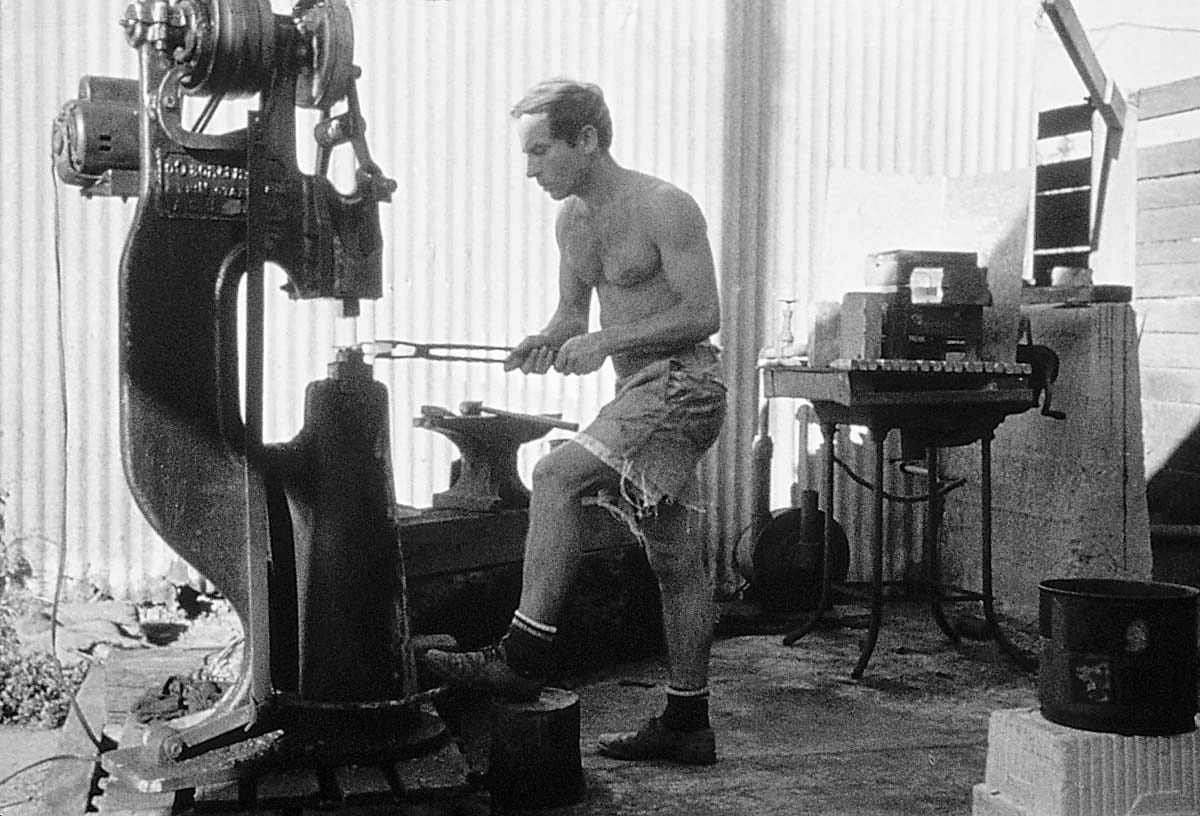
In Their Own Words: Yvon Chouinard
1. Simplicity is Wisdom
"The hardest thing in the world is to simplify your life. It's so easy to make it complex."
This core philosophy has guided Chouinard's approach to both life and business. At Patagonia, it manifested in creating versatile, durable products that serve multiple purposes rather than specialized items that create clutter. This commitment to minimalism extends beyond product design into his management style, where he removes unnecessary complexity to let everyone focus on what truly matters.
2. Process > Outcome
"How you climb a mountain is more important than reaching the top."
Drawing directly from his climbing experience, Chouinard emphasizes that methods matter more than results. This philosophy shaped Patagonia's most consequential decisions, from choosing most ethical manufacturing partners to rejecting typical shortcuts that boost short term profits.
3. Purpose > Profit
"The whole purpose of business is to create something that's good and that you're proud of."
When Patagonia discovered their cotton suppliers were using harmful pesticides and switched to 100% organic cotton despite the enormous cost and supply chain challenges. The transition nearly bankrupted the company in the short term but aligned with their deeper purpose of creating products they could stand behind completely.
4. Don’t Miss Out on a Good Crisis
"The word 'crisis' in Chinese is composed of two characters. One represents danger and the other represents opportunity."
When Patagonia's fabric supplier suddenly informed them that their supply of polypropylene, a key material for their thermal underwear, was being discontinued with just six months' notice, Patagonia faced potential ruin.
The crisis led to Patagonia pioneering the commercial use of recycled polyester made from discarded plastic bottles—something no clothing manufacturer had attempted at scale. What began as a desperate scramble turned into a revolutionary innovation that transformed not just Patagonia but eventually the entire outdoor industry.
5. Dance with Contradictions
"I've been a businessman for almost sixty years. It's as difficult for me to say those words as it is for someone to admit being an alcoholic or a lawyer."
What strikes me most about Chouinard isn't just his business success, but his consistent comfort with contradiction. He runs a business selling products while campaigning against consumerism. He's a capitalist who criticizes capitalism. He controls a billion-dollar company while advocating for de-growth economics. Rather than seeing these as inconsistencies, he views them as creative tensions that generate innovation.
Building a significant business isn't about removing or resolving all your contradictions, but about seeking that productive tension from opposing forces.